

Prototype with a wingspan of 32 meters is expected to provide data for the development of the ES-30, a hybrid-electric regional aircraft designed to carry up to 30 passengers
Heart Aerospace has received the authorization required from the United States Federal Aviation Administration, the FAA, to begin flight testing the X1, a full-scale electric prototype developed as part of the program for the future ES-30 regional aircraft.
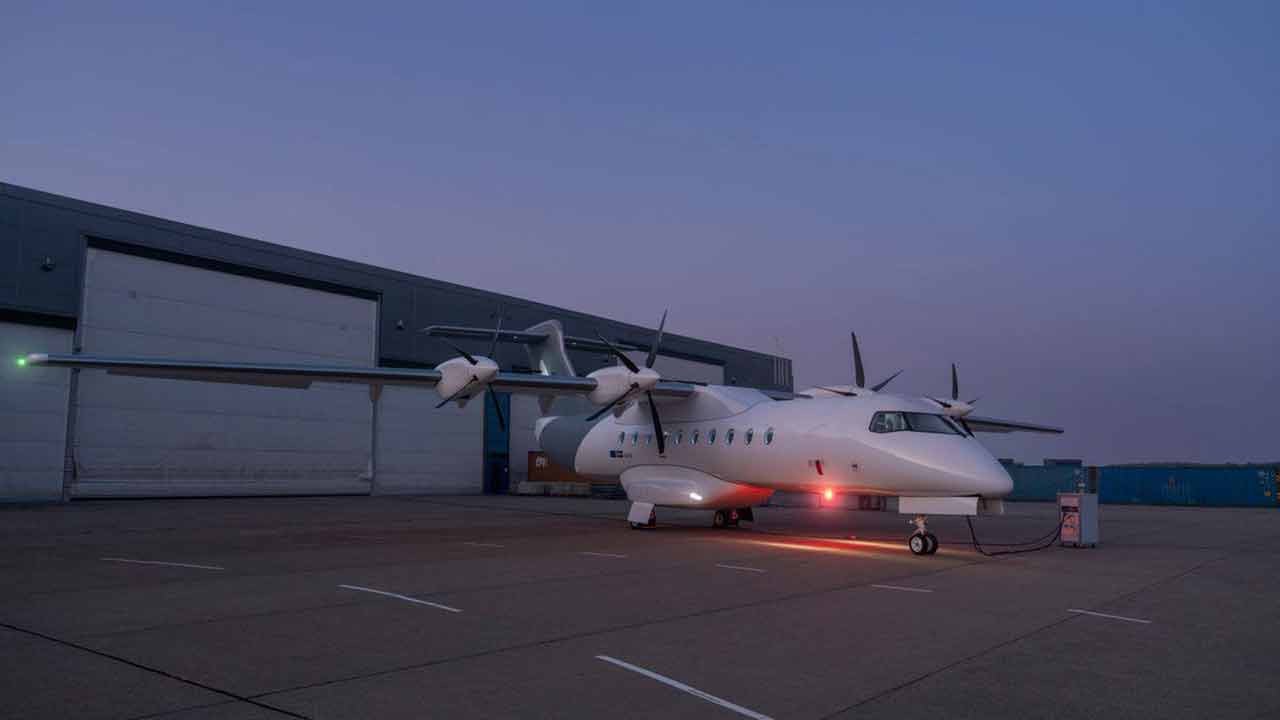
The special airworthiness certificate was issued in the experimental category on July 23, 2026. Before granting the authorization, the FAA inspected the aircraft, reviewed the technical documentation and evaluated the test plan submitted by the manufacturer. The X1 is located at the company’s test center at Plattsburgh International Airport in New York State.
The authorization allows experimental flights to begin immediately, although Heart Aerospace has not yet announced a specific date for the first takeoff. The aircraft previously underwent structural assessments, electrical and propulsion system testing, as well as low- and high-speed taxi trials.
It is important to note that the document issued by the FAA does not represent commercial certification of the ES-30. It is an authorization limited to the experimental prototype and the flight-test campaign defined for the X1.
Candidate to become the largest electric aircraft ever flown

With a wingspan of approximately 32.3 meters, a length of 23.2 meters and a takeoff weight exceeding 11.3 tonnes, the X1 is expected to become the largest fully electric aircraft ever flown if it successfully completes its first takeoff.
Despite having dimensions similar to those of a regional airliner, the prototype was not built to carry passengers commercially. Its purpose is to evaluate aerodynamic behavior, control systems, electric propulsion and operational procedures that may be used in the development of the ES-30.
During its initial flights, the aircraft is expected to operate within a tightly controlled flight envelope. Heart Aerospace indicates a speed of approximately 204 km/h, an initial maximum altitude of 610 meters above ground level and a maneuvering limit of 1.5 G, with only one pilot on board. The X1’s propulsion system is powered entirely by batteries.
The results will allow engineers to compare predictions made in simulations with the aircraft’s actual behavior. Information on energy consumption, stability, system cooling, motor performance and control response will be important in guiding the next stages of the program.
Project accumulated delays
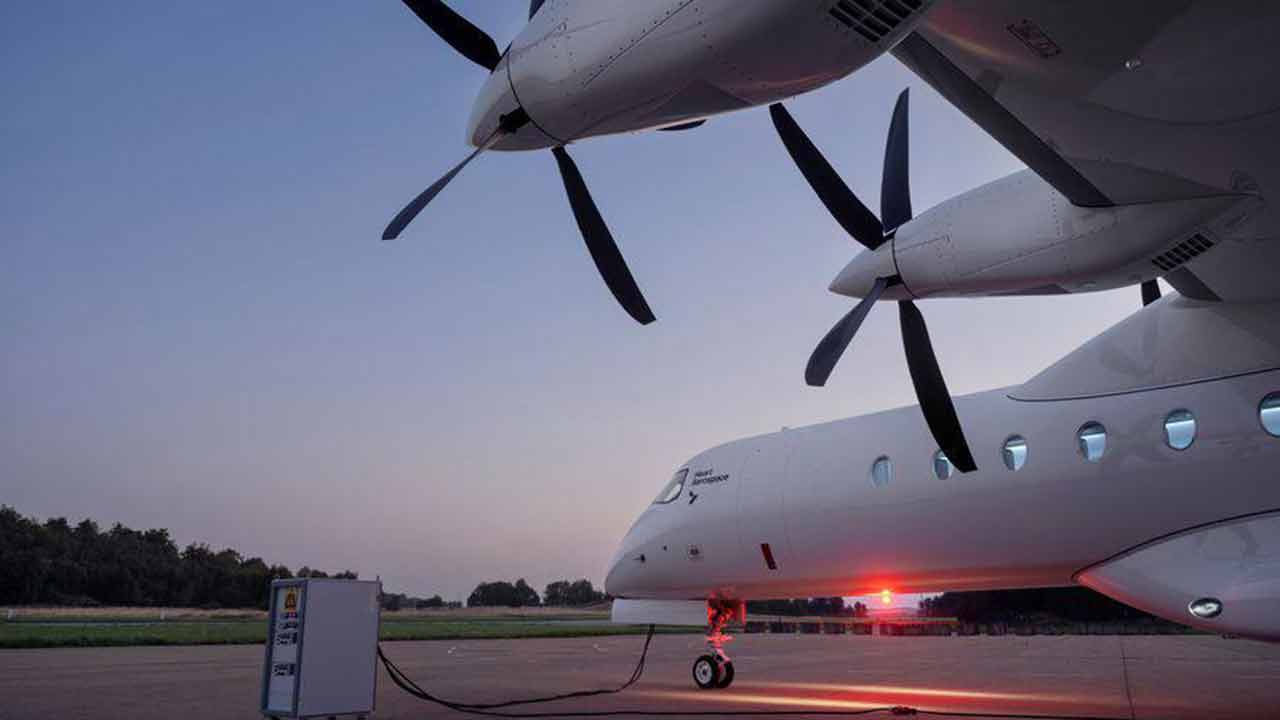
The X1’s first flight was initially scheduled for the second quarter of 2025. The timetable, however, was revised more than once. One of the delays was related to problems found in the composite material used in the wing, a situation that required the replacement of a component before the aircraft could proceed to testing in the United States.
The prototype was originally built in Sweden, where Heart Aerospace began its operations. In April 2025, the company announced the relocation of its headquarters to the Los Angeles area and the closure of its Swedish operations.
According to the company, concentrating its activities in the United States was intended to bring the program closer to customers, investors, suppliers and the American aerospace industrial supply chain. The move also placed the development team closer to the Plattsburgh test base.
X1 paves the way for the ES-30
The X1 serves as a technology platform for the ES-30, a hybrid-electric regional aircraft designed to carry up to 30 passengers. Unlike the demonstrator, which uses batteries alone, the commercial model is expected to combine electric motors with an auxiliary power-generation system.
According to the manufacturer’s current projections, the ES-30 could travel approximately 200 kilometers using electricity alone. With the hybrid system, the projected range increases to as much as 800 kilometers, depending on the number of passengers and the operational configuration. Heart Aerospace currently lists 2031 as its target for certification of the model.
The program has already attracted established airlines. Air Canada announced an order for 30 aircraft, while commitments previously made by United Airlines and Mesa Air Group for the former ES-19 were transferred to the ES-30 project.
Even so, there is a considerable distance between the first flight of a demonstrator and the entry into service of a commercial aircraft. In addition to expanding the flight envelope, Heart Aerospace will have to validate the hybrid architecture, prove the safety of the batteries, demonstrate system reliability and meet the certification requirements applicable to passenger transport.
The next stage of the program will be the X2, a pre-production prototype expected to incorporate solutions closer to the final configuration of the ES-30. Development of this aircraft is already taking place in parallel with preparations for the X1’s flights.
+ Video: Putin inspects MS-21 and Yak-130M amid rising drone attacks in Russia
+ Video: police detain youths after group of electric motorcycles blocks Orlando streets
Source and images: Heart Aerospace | Federal Aviation Administration. This content was created with the assistance of AI and reviewed by the editorial team.
